Understanding Essential Nutrition for Men's Well-being
Welcome to Lymbra, an independent, unbiased educational resource dedicated to providing comprehensive information about nutrition, vitamins, and minerals. Our mission is to explain the fundamental principles of nutrition and help you understand how balanced diet choices support overall health and vitality.
Educational content only. No promises of outcomes.
What is Nutrition?
Nutrition is the process by which organisms obtain and utilize food necessary for growth, metabolism, and maintaining bodily functions. It involves consuming a variety of foods that provide essential nutrients—carbohydrates, proteins, fats, vitamins, minerals, and water—each playing a specific role in supporting health.
Understanding nutrition helps us make informed dietary choices that support energy levels, physical performance, mental clarity, and long-term wellness. Proper nutrition isn't about restrictive eating or following fad diets; rather, it's about recognizing how different foods contribute to overall health and making consistent, balanced choices.
Key principle: Nutrition is foundational to how our bodies function. Every cell, tissue, and system relies on nutrients to perform optimally.

Macronutrients Explained
Macronutrients are the nutrients your body needs in large quantities to function properly and provide energy. There are three main categories.
Carbohydrates
Role: Primary source of energy for the body and brain.
Sources: Whole grains, oats, brown rice, fruits, vegetables, legumes, and pulses.
Key benefit: Sustained energy and support for physical activity. Choose complex carbohydrates for steady energy release.
Proteins
Role: Essential for building and repairing tissues, maintaining muscle mass, and supporting immune function.
Sources: Lean meats, poultry, fish, eggs, legumes, nuts, seeds, and whole grains.
Key benefit: Muscle maintenance, recovery, and satiety. Variety ensures a complete amino acid profile.
Fats
Role: Essential for hormone production, nutrient absorption, and brain function.
Sources: Olive oil, avocados, nuts, seeds, fatty fish (salmon, mackerel), and whole grains.
Key benefit: Support for cellular function and long-term energy storage. Focus on unsaturated fats.
Micronutrients Overview
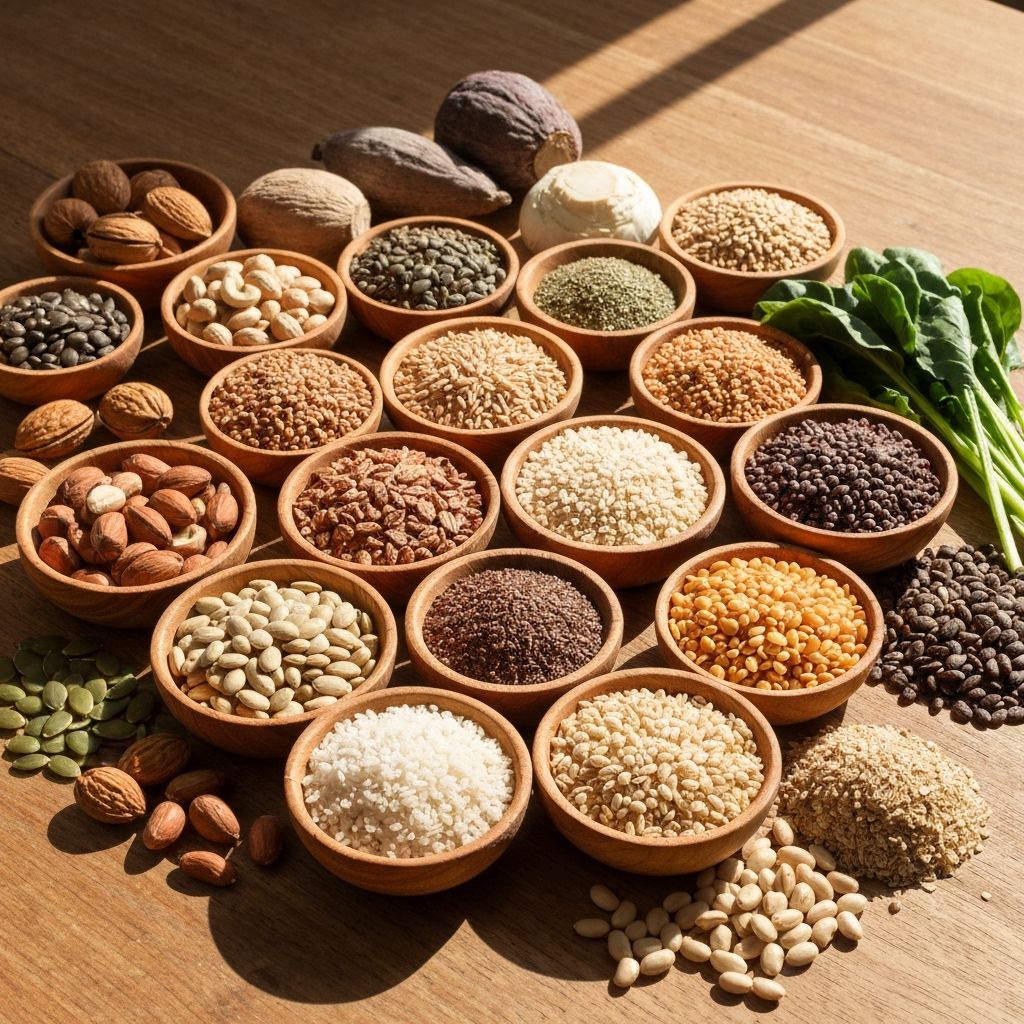
Micronutrients are vitamins and minerals required in smaller quantities but are crucial for countless bodily functions.
Vitamins
Organic compounds that support energy production, immune function, bone health, and more. Each vitamin has specific functions—for example, Vitamin C supports collagen formation and immune health, while B vitamins aid in energy metabolism.
Minerals
Inorganic elements like calcium, magnesium, zinc, and iron that support bone structure, electrolyte balance, oxygen transport, and enzyme function. A varied diet typically provides adequate mineral intake.
Important note: Individual micronutrient needs vary based on age, activity level, and overall health status. This information is educational only and not a substitute for personalized nutritional guidance.
Vitamin D: The Sunshine Nutrient
Vitamin D is a fat-soluble nutrient that plays a critical role in calcium absorption, bone health, immune function, and overall well-being. Unlike other vitamins, your body can synthesize Vitamin D when skin is exposed to sunlight.
Natural Sources
- Sunlight exposure (approximately 10-30 minutes daily, depending on skin tone and location)
- Fatty fish: salmon, mackerel, sardines
- Egg yolks
- Mushrooms exposed to sunlight
- Fortified milk and plant-based alternatives
Note: Geographic location, season, and time spent outdoors affect Vitamin D synthesis. This is general educational information only.

Minerals: Zinc and Selenium
These two essential minerals contribute significantly to various bodily functions and overall health.
Zinc
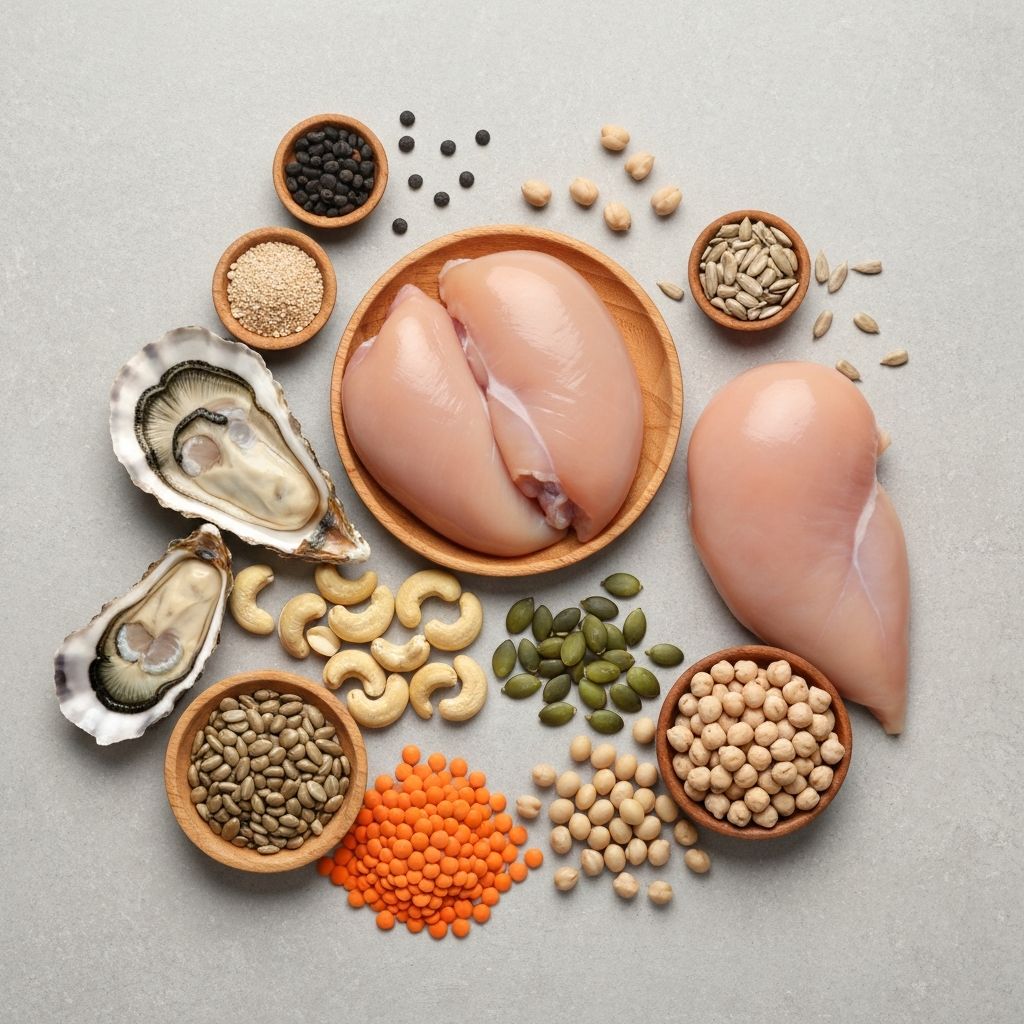
Essential for immune function, wound healing, protein synthesis, and DNA formation. Zinc supports various enzymatic reactions throughout the body.
Dietary sources: Oysters, beef, pumpkin seeds, chickpeas, cashews, and whole grains.
Selenium
A trace mineral that acts as an antioxidant, supporting thyroid function and protecting cells from damage. Selenium works synergistically with Vitamin E.
Dietary sources: Brazil nuts, tuna, brown rice, eggs, turkey, and garlic.
Educational note: These minerals are important micronutrients. Varied dietary patterns naturally provide adequate amounts for most people.
Fiber in Men's Diets
Dietary fiber is a non-digestible carbohydrate found in plant foods that supports digestive health and overall well-being.
Types of Dietary Fiber
Soluble fiber dissolves in water and helps regulate blood sugar and cholesterol levels. Found in oats, beans, apples, and barley.
Insoluble fiber adds bulk to stool and supports digestive movement. Found in whole grains, vegetables, and legumes.
Benefits of Adequate Fiber Intake
- Supports healthy digestive function
- Promotes satiety and stable energy levels
- Contributes to cardiovascular health
- Supports gut microbiome diversity
- Enhances nutrient absorption
Consideration: Increase fiber gradually and drink adequate water to support digestion. This is general educational information.

Antioxidants: Protecting Your Cells
Antioxidants are compounds found naturally in foods that help protect cells from oxidative damage. They work by neutralizing free radicals, molecules that can accumulate through normal metabolism and environmental exposure.

Berries
Rich in anthocyanins and polyphenols.

Leafy Greens
Contain lutein and vitamins.

Citrus & Colorful Vegetables
High in Vitamin C and carotenoids.
Principle: A diet rich in colorful fruits and vegetables provides a diverse range of antioxidants that support overall cellular health.
Hydration for Vitality
Water is essential for every physiological process. Proper hydration supports energy levels, cognitive function, temperature regulation, nutrient transport, and waste elimination.
Hydration fundamentals: Individual water needs vary based on activity level, climate, and overall health. A general guideline is to drink enough water so that you rarely feel thirsty and your urine is light in color. Tea, coffee, fruits, and vegetables also contribute to daily fluid intake.
Adequate hydration supports physical performance, mental clarity, and metabolic function. While thirst is an important indicator, consistent daily hydration practices are essential for optimal health.
The Balanced Plate Guide
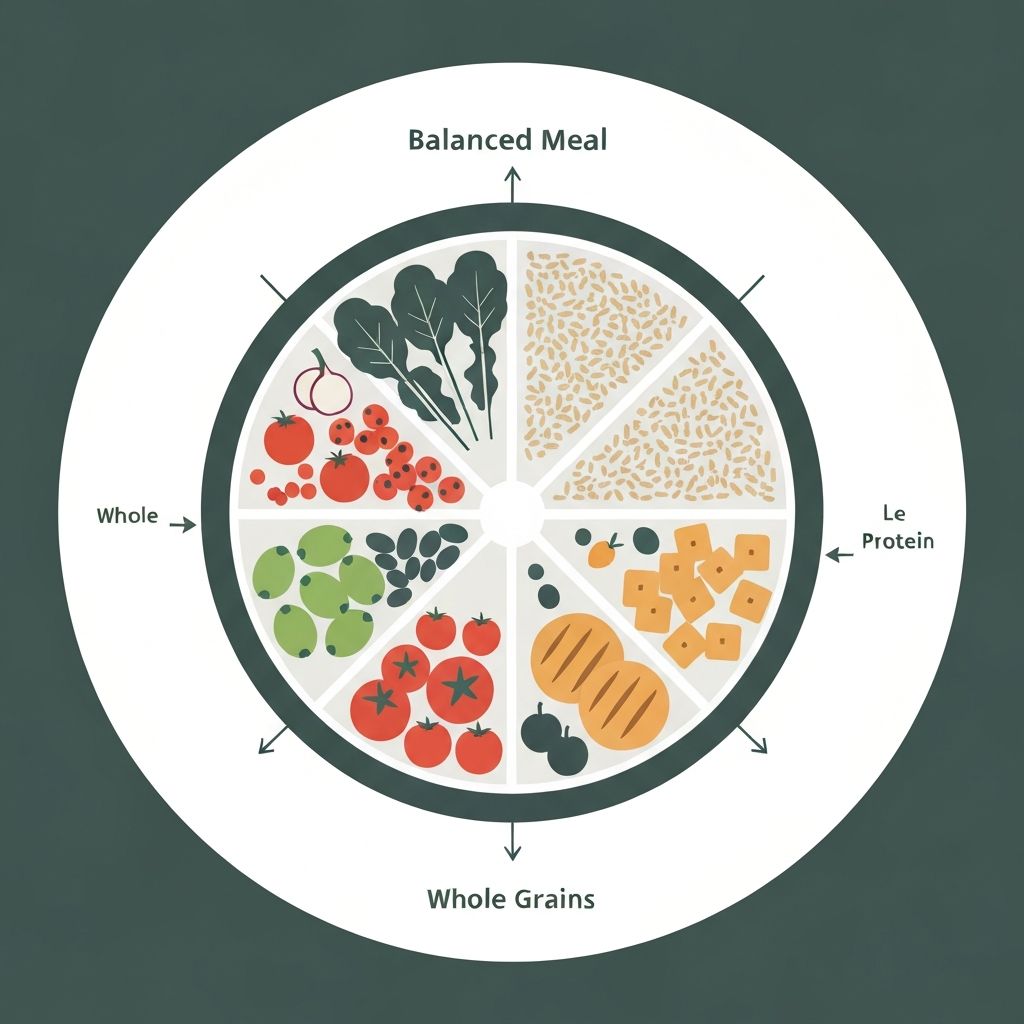
A practical approach to balanced eating across all meals.
General Composition
½ plate: Vegetables and fruits — Provides fiber, vitamins, minerals, and antioxidants. Aim for variety and color.
¼ plate: Whole grains — Provides complex carbohydrates and sustained energy. Examples: brown rice, quinoa, whole wheat bread, oats.
¼ plate: Protein — Supports muscle maintenance and satiety. Vary between animal and plant-based sources.
Additional components: Healthy fats (olive oil, nuts, seeds) and hydration complete a balanced approach.
Note: Individual nutritional needs vary. This is a general educational framework, not personalized dietary guidance.
Common Dietary Questions
Protein needs vary based on age, activity level, and health status. General guidelines suggest 0.8 grams per kilogram of body weight for sedentary adults, with higher amounts for active individuals. This is educational information; individual needs should be discussed with a healthcare provider.
Regular meal timing can support stable energy and metabolism, but the most important factor is consistent, balanced nutrition throughout the day. Individual preferences and schedules vary. This is general educational context, not personalized advice.
Vitamins are organic compounds made by plants or animals, while minerals are inorganic elements from soil and water. Both are essential micronutrients needed in small quantities for optimal health. A varied diet typically provides adequate amounts of both.
Eating a variety of foods from all food groups—whole grains, proteins, vegetables, fruits, and healthy fats—generally ensures adequate nutrient intake. If you have specific concerns, consulting with a healthcare professional or registered dietitian is recommended.
Whole foods are minimally processed, natural foods like fruits, vegetables, grains, legumes, and meats. Processed foods have been modified through cooking, canning, or addition of ingredients. Generally, emphasizing whole foods supports nutritional density and overall health.
Lifestyle & Diet Connection
Physical Activity
Regular movement supports cardiovascular health, muscle maintenance, bone density, and mental well-being. Combined with proper nutrition, physical activity contributes to overall vitality and energy levels.
Sleep Quality
Adequate sleep supports metabolism, immune function, and mental clarity. Good sleep hygiene complements balanced nutrition for optimal health and recovery.
Stress Management
Chronic stress impacts metabolism and health. Practices like meditation, time in nature, and social connection support well-being alongside proper nutrition.
Hydration & Consistency
Daily habits matter more than perfection. Consistent, balanced dietary patterns combined with hydration, activity, and rest create a foundation for sustained health and vitality.
Benefits of Whole Foods
Nutritional Density
Whole foods contain naturally occurring vitamins, minerals, fiber, and phytonutrients in balanced proportions. This combination provides comprehensive nutritional support that isolated nutrients cannot fully replicate.
Greater Satiety
Fiber and natural structure in whole foods promote longer satiety, supporting stable energy and reduced overeating. Whole foods satisfy hunger more effectively than processed alternatives.
Sustained Energy
Complex carbohydrates and natural nutrients in whole foods provide steady energy release, supporting consistent performance throughout the day without energy crashes.
Health Support
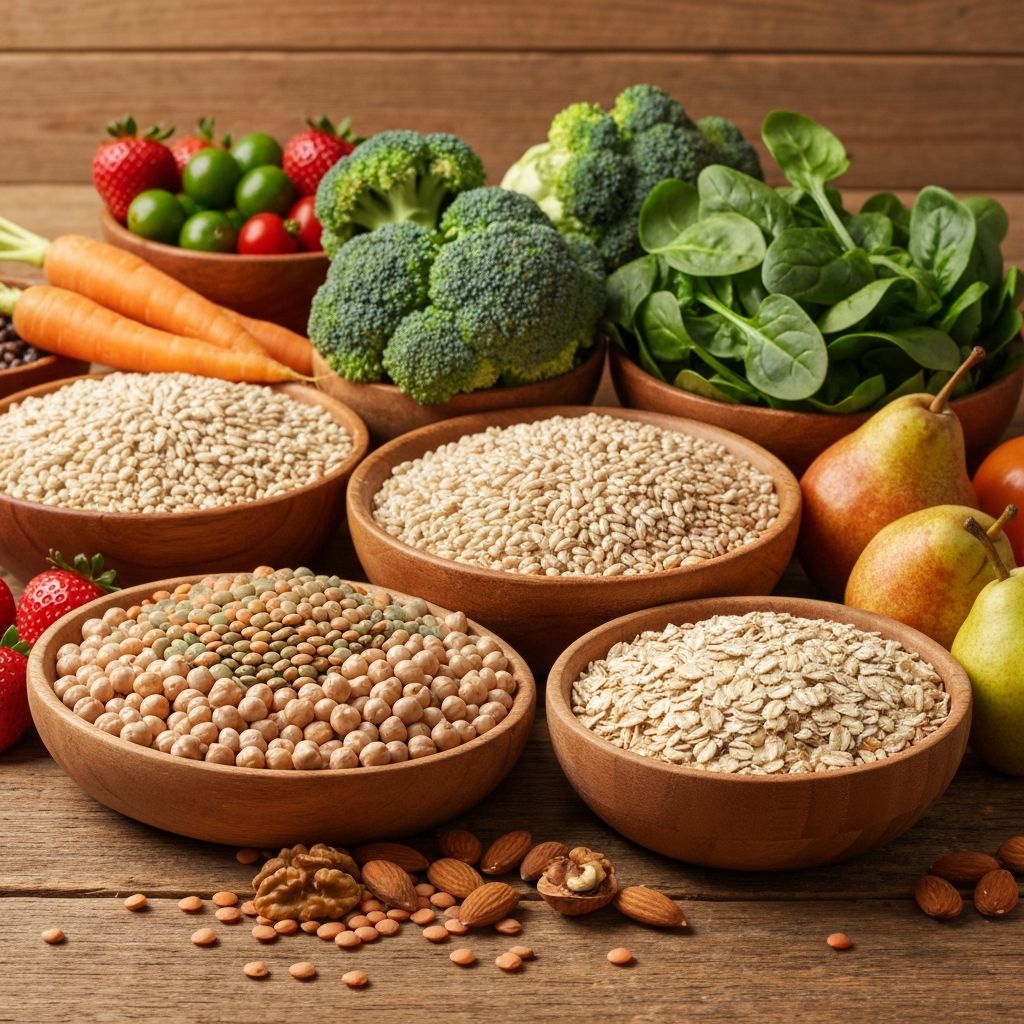
Regular consumption of whole foods—vegetables, fruits, whole grains, legumes, nuts, and quality proteins—supports metabolic health, cardiovascular function, and overall well-being.
Continue Your Learning Journey
Nutrition is a lifelong learning process. We encourage you to explore the dedicated sections of this resource to deepen your understanding of nutrition principles and their application to your well-being.
Educational Commitment: All content on this site is provided for educational purposes only. We do not make medical claims, diagnose conditions, prescribe treatments, or sell supplements. Always consult qualified healthcare professionals for personalized medical advice.